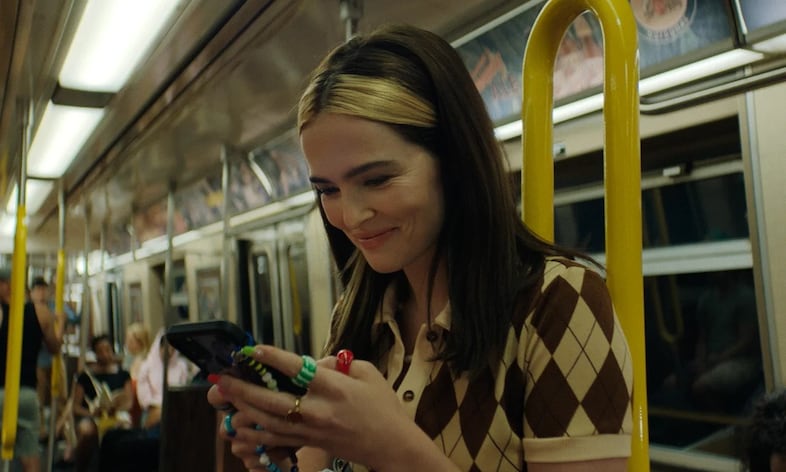
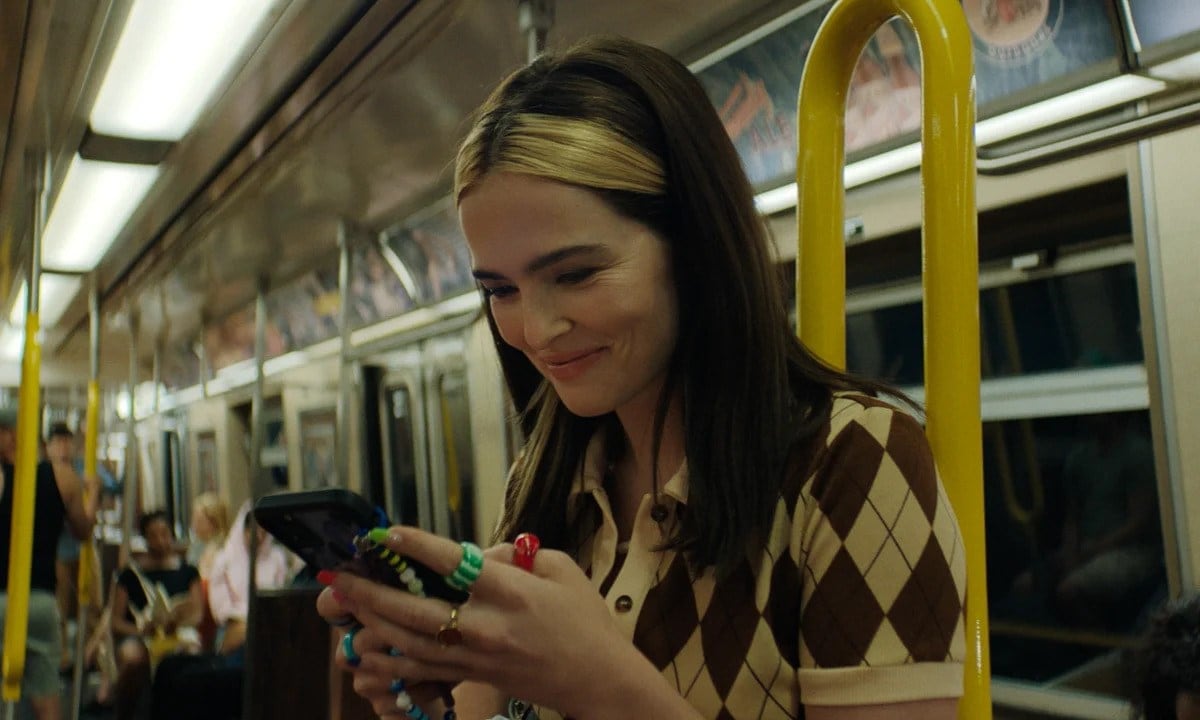
 Not Okay, Film still (2022)August
14,
2026Life & Culture
/
FeatureLife & Culture /
FeatureIs the grid dead? How young people are changing the feed
Not Okay, Film still (2022)August
14,
2026Life & Culture
/
FeatureLife & Culture /
FeatureIs the grid dead? How young people are changing the feedBy ‘ghost-posting’, young people are taking control of their digital footprints and finding relief from posting fatigue
ShareLink copied ✔️August 14, 2026August 14, 2026Text Isabel BekeleWilla Farrell, a 23-year-old talent assistant living in Los Angeles, is an expert ghost-poster. That is, someone who posts on Instagram, archives her posts, and then unarchives them at a later date. “I haven’t posted ‘for real’ in years,” says Farrell, who, like many Gen-Zers, first joined the platform when she was in middle school. “I think there’s something about posting in secret… When you ghost-post, you acknowledge the fact that it’s not going to be seen by a lot of people.”
Farrell isn’t the only ghost-poster out there. When the archive tool was first introduced by Instagram in 2017, the purpose was to give users a way to remove unwanted posts without outright deleting them, thereby making people feel more comfortable sharing posts in the first place. Today, however, bringing archived posts “back to life” by unarchiving them has become increasingly popular among young people who are essentially re-writing the rules of the platform. By ghost-posting, users are using the archive feature in a way that challenges how we’ve traditionally thought of social media – as a place to see and be seen. Here, the goal is often for a post to skate by unnoticed, not appearing on anyone else‘s feed, rather than gain traction and engagement. So why are young people drawn towards this low-grade hacking, and what does it signal about their shifting attitudes towards social media?
In Farrell’s case, ghost-posting began as a way for her to show up more authentically online. She first started doing it after a study abroad semester in Rome, where she struggled with the academically competitive nature of her programme. While in Italy, Farrell was taking plenty of photos, but given how unhappy she was, felt that posting them would misrepresent the experience she was having. As the months passed, however, she realised that she did want to have a place for these photos to live. Enter, ghost-posting. Rather than flood her followers' feeds with a bunch of photos at once, Farrell used the archive tool to post pictures from her semester in Italy, archive them, and then gradually bring them back. It was a slow-burn sort of way to share content that was meaningful to her, even if she didn’t want to post it in real time.
“Ghost-posting became a way for me to have things that were happening in my life out there, but not necessarily broadcast them,” says Farrell. Today, the 23-year-old exclusively ghost-posts, and feels it’s helped her gain a sense of independence and freedom over her digital footprint. “I realised I can just post whatever I want and have it on my [grid], but I don’t have to worry about what people think of it… It’s become a little moodboard for me, rather than something for others,” she says. “It’s about making my account my place.”
That freedom from perception is also a motivating factor for New York City-based Danait Desta, a social media manager who has her own theory on why people ghost-post. “I think a lot of it has to do with the fact that people are a lot more anxious to be online now,” says the 26-year-old. Desta is old enough to remember the early days of Instagram, when sharing felt more relaxed. “Back then, I used to post whatever I wanted,” she says. “There wasn’t really any pressure – you could post your Starbucks or Chipotle order, whatever you were doing that day, or your friends with harsh filters.” Now, Desta says she gets nervous to post on her personal profile, and that ghost-posting helps alleviate some of that stress. “I don’t really want to appear on people’s feeds or be perceived constantly,” she says. “I just want to be able to make my page look a certain way and share the things I want, without subjecting your feed to a picture of what I had for dinner or a vacation photo that’s already been posted in a dump.”
The subject of ghost-posting also poses a deeper question about what people value most online — engagement, or aesthetics? For 26-year-old Samantha Harper, it’s the latter. As a teenager growing up in Ohio, Harper was obsessed with more visual platforms like Tumblr, and would get a kick out of re-creating the feeds of LA influencers. In some ways, she was even an OG ghost-poster, given that she used to use the Instagram feed-planning app UNUM, which allows users to see what potential posts would look like on their grid, then posting and deleting content from there.
Today, Harper works in fashion and marketing, and still has a curation-forward mentality. “I accept the fact that a ghost-post might not even hit 100 likes, but that’s perfectly fine because I like the picture,” she says. “Especially because when using the archive feature, it does affect engagement, but I don’t even mind because I want my feed to look cute.” Rachel Frimpong, a 23-year-old content creator, feels similarly. “Archiving a post then re-posting it almost keeps it neutral, because then the metrics and fear of being perceived aren’t really up for discussion,” says Frimpong.
Others like Maxwell Vice, a 26-year-old photographer and DJ, have more tactical motivations for ghost-posting. “During Pride Month, I unarchived thirst traps of myself just so I could find a boyfriend for a month,” Vice tells me with a laugh. But there are more serious reasons for their ghost-posting, too. Known around town as “the mayor of Bushwick,” Vice is a prominent figure in New York City nightlife and fashion circles, and is aware that they have industry eyes on them. Though they sometimes use their Instagram for social awareness, like posting a warning about a predatory person in the club scene or ICE officers being on the block, for example, they will often archive those posts for fear of doxxing someone or losing potential jobs. “I feel like gen Z wants to use our social media to reach out to our community, keep everyone safe and spread reliable information, but we also use it for our money,” says Vice. “Almost every single job I get is from Instagram.”
Vice’s experience illustrates the fact that our social media personas are becoming increasingly intertwined with our professional identities, a truth also echoed by Sean Thielen-Esparza, an independent technologist. “I think, right now, we’re in a moment where posting on the grid basically equals default ‘commercial’,” he says. “The way that people relate to Instagram [and particularly posting on the grid] right now is that it’s like work.”
Regardless of one’s reasons for ghost-posting, the trend does seem to signal a pendulum swing, where users are wary of how much they’re being seen online, but still don’t want to give up social media altogether. If social media has become a performance, then ghost-posting is a way to come on stage, scurry behind the curtain, then reemerge once again. It's posting without the pressure – and, like carrying out a digital seance, there‘s a comfort in knowing you can always bring old content back to life.
Escape the algorithm! Get The DropEmail address SIGN UPPrivacy policy
Thank you. You have been subscribed
Privacy policy More on these topics:Life & CultureFeatureInstagramsocial mediaExpand your creative community and connect with 30,000+ creatives from around the world.
Trending
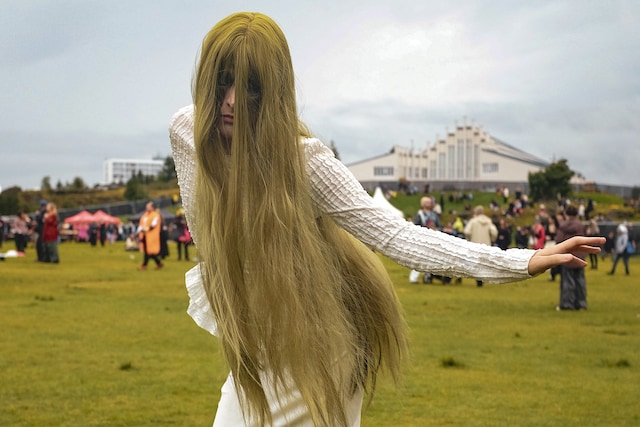
Björk celebrates solar eclipse with celestial rave
Björk turned Iceland’s once-in-a-generation solar eclipse into a cosmic celebration, bringing experimental music and otherworldly fashion to the outskirts of Reykjavík
Fashion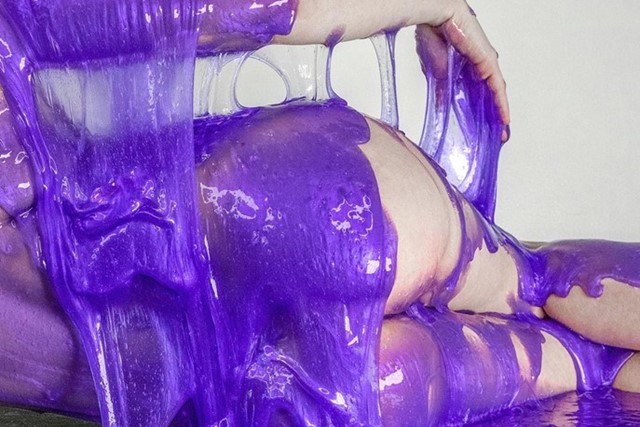 Beauty
10 of the hottest Instagram accounts fusing art, sex and erotica
Under Armour
 Fashion
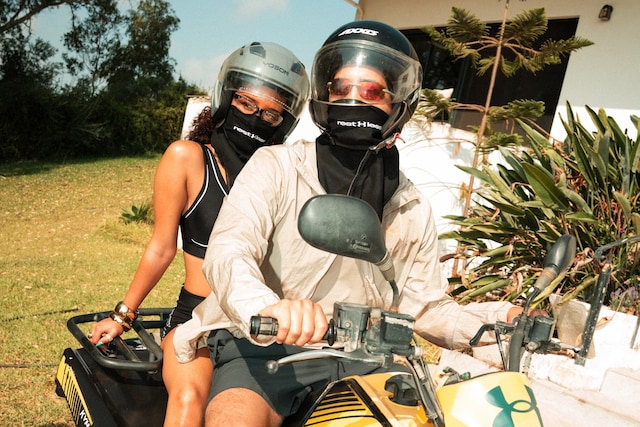
Under Armour shows what it means to ‘rest less’ at Hotel Armouré
 Event
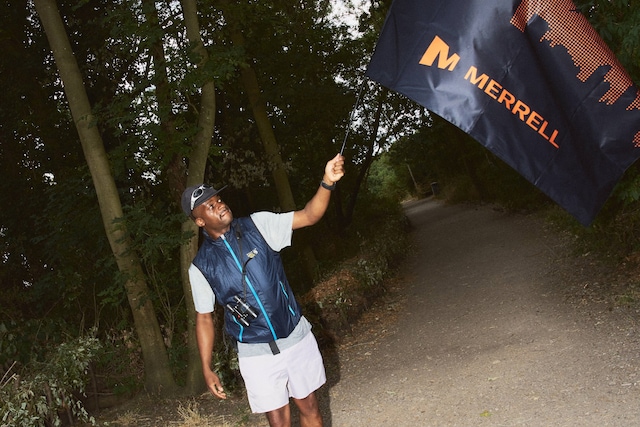
EventWhat went down at Merrell’s Parkland walk with Ollie Ranger
 Fashion
Punketo: meet the Indigenous Gen-Z punks of Mexico City
 Fashion
FKA twigs and On just started a wellness cult
 Art & Photography
Remembering WET: the magazine that made a splash in 70s LA
 Life & Culture
The next generation of tradwives is already spawning
 Art & Photography